What Is Carbon Monoxide?
Carbon monoxide (CO) is a colorless, odorless, tasteless gas produced when fuels like wood, gas, and oil don't burn completely. Because you can't see or smell it, CO is often called the "silent killer." According to the CDC, over 400 Americans die from CO poisoning each year, and thousands more are hospitalized.
Your chimney plays a critical role in safely venting CO and other combustion gases out of your home. When the chimney is blocked, damaged, or improperly functioning, these gases can back up into your living space.
How Chimneys Fail
Blockages
Bird nests, leaves, debris, and even small animals can block your flue, preventing gases from escaping. This is one of the most common — and most preventable — causes of CO backup.
Cracked Flue Liners
Your flue liner protects your home from heat and gases. Cracks or gaps in the liner allow CO to seep into wall cavities and living spaces instead of venting safely outside.
Damper Problems
A closed or stuck damper traps combustion gases inside your home. Always verify the damper is fully open before lighting a fire.
Negative Pressure
Modern, tightly sealed homes can create negative pressure that pulls gases back down the chimney. This is especially common in homes with powerful exhaust fans.
Warning Signs of CO Problems
- Yellow or flickering flames (gas fireplaces should have blue flames)
- Soot stains around the fireplace or chimney
- A smoky smell even when the fireplace isn't in use
- Condensation on windows near the fireplace
- Family members experiencing headaches, dizziness, or nausea when the fireplace is in use
How to Protect Your Family
Install CO Detectors
Place carbon monoxide detectors on every level of your home, especially near sleeping areas. Test them monthly and replace batteries annually.
Schedule Annual Inspections
A professional chimney inspection identifies blockages, liner damage, and venting issues before they become dangerous. The NFPA recommends annual inspections for all chimneys.
Install a Quality Chimney Cap
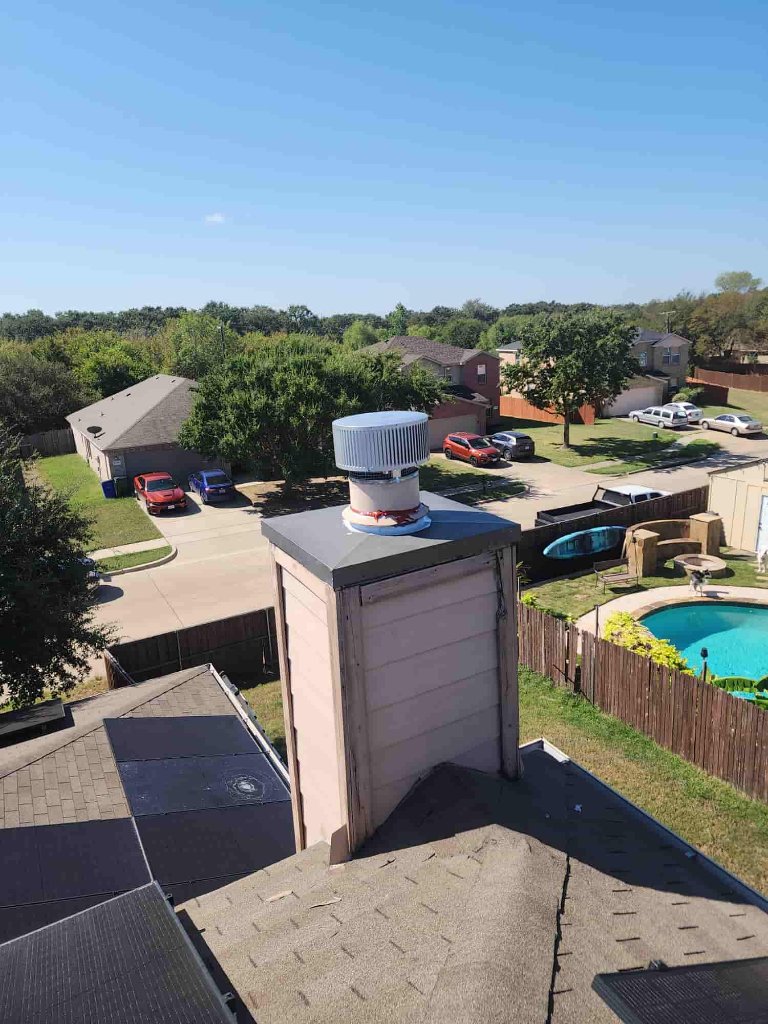
A cap prevents birds, animals, and debris from entering your flue and creating blockages.
Never Use a Damaged Chimney
If your inspection reveals liner damage or structural issues, don't use the fireplace until repairs are complete.
The Bottom Line
Carbon monoxide poisoning is preventable. A well-maintained chimney is your first line of defense. If you haven't had your chimney inspected this year, don't wait — schedule a professional inspection with Dallas Chimney Inspection Sweep & Repair. Call 469-972-6879 to protect your family today.